Customer Results
Real deployments showing measurable outcomes.
Savings and timelines vary by site conditions and staffing model.
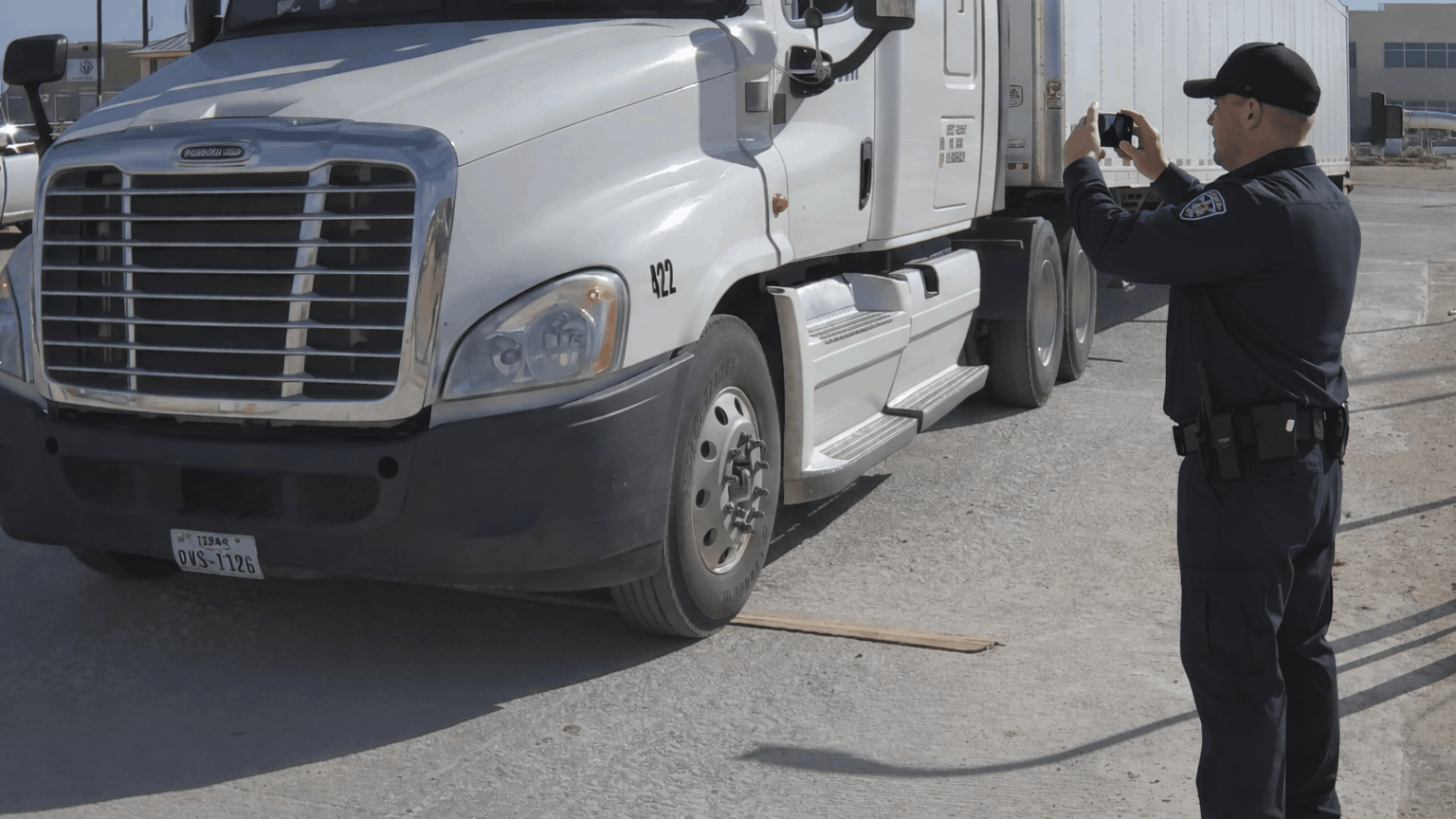
Estimated $216,000/year saved
Challenge
Guards manually logged every vehicle (photos + WhatsApp), creating delays, inconsistency, and high staffing costs across 24/7 coverage.
Deployment snapshot
• industrial site
• bi-directional entrance
• harsh conditions
• deployed without reconstruction
What we deployed
GateGuardX automated LPR access connected to the existing gate controller. Each crossing is logged with timestamp + photo proof, searchable and exportable instantly.
Outcome
3–4 gate roles removed from gate duties
~$18,000/month estimated staffing savings
ROI in ~60 days
Reliable reads, even on damaged and dirty plates
Audit-ready logs with photo proof
Savings estimate based on customer staffing model and fully-loaded labor costs.
Includes the full workflow, site setup, and the ROI math behind the savings estimate.
How results are measured
Results are measured using system event logs (entries/exits), photo-verified audit trails, and deployment configuration records.
Savings estimates are based on the customer’s staffing model and fully-loaded labor cost assumptions. Details available on request.
Testimonials
What site operators say
"I recommend GateGuardX to organizations that need reliable access control with auditable event tracking."
CIO, Fleet Logistics Firm
“The gate now allows access seamlessly, eliminating manual checks and reducing human error while improving traffic flow in and out of the yard.”
IT Director, U.S. Oilfield Services Company
“GateGuardX significantly improved our security posture and day-to-day operational efficiency.”
Operations Manager, Fleet Logistics Firm
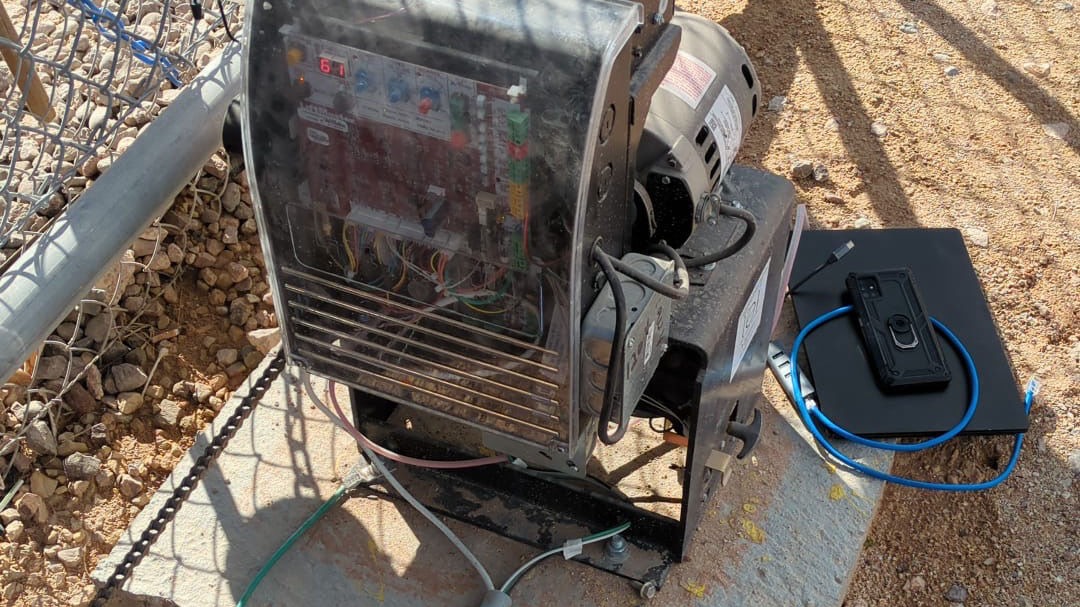
Mixed Gates + Mixed Cameras — Unified Under One System
Challenge
A multi-site operator had grown over time and ended up with a patchwork setup: different gate types, different camera models, and different local “workarounds” at each site. Each location had its own process for granting access, handling exceptions, and investigating incidents—making audits messy and operations inconsistent.
Deployment snapshot
• multi-site operator
• mixed gate types (swing + sliding + barrier arms)
• mixed IP cameras
• kept existing gates/cameras where usable
• central rules + alerts (one set across locations)
• one dashboard across all sites
What we deployed
GateGuardX was installed on top of the existing infrastructure: connected to each gate’s control board (dry-contact), integrated the current camera views where usable, and added only the required GateGuardX hardware kit (controller + Mini-PC) to standardize processing and decision logic. Access rules, plate lists, and alerts were configured centrally and applied consistently across locations.
Outcome
All sites managed from a single dashboard
Standardized access rules everywhere
Central alerts for denials and anomalies
No rip-and-replace (kept existing gates/cameras where usable)
Searchable, audit-ready history with photos
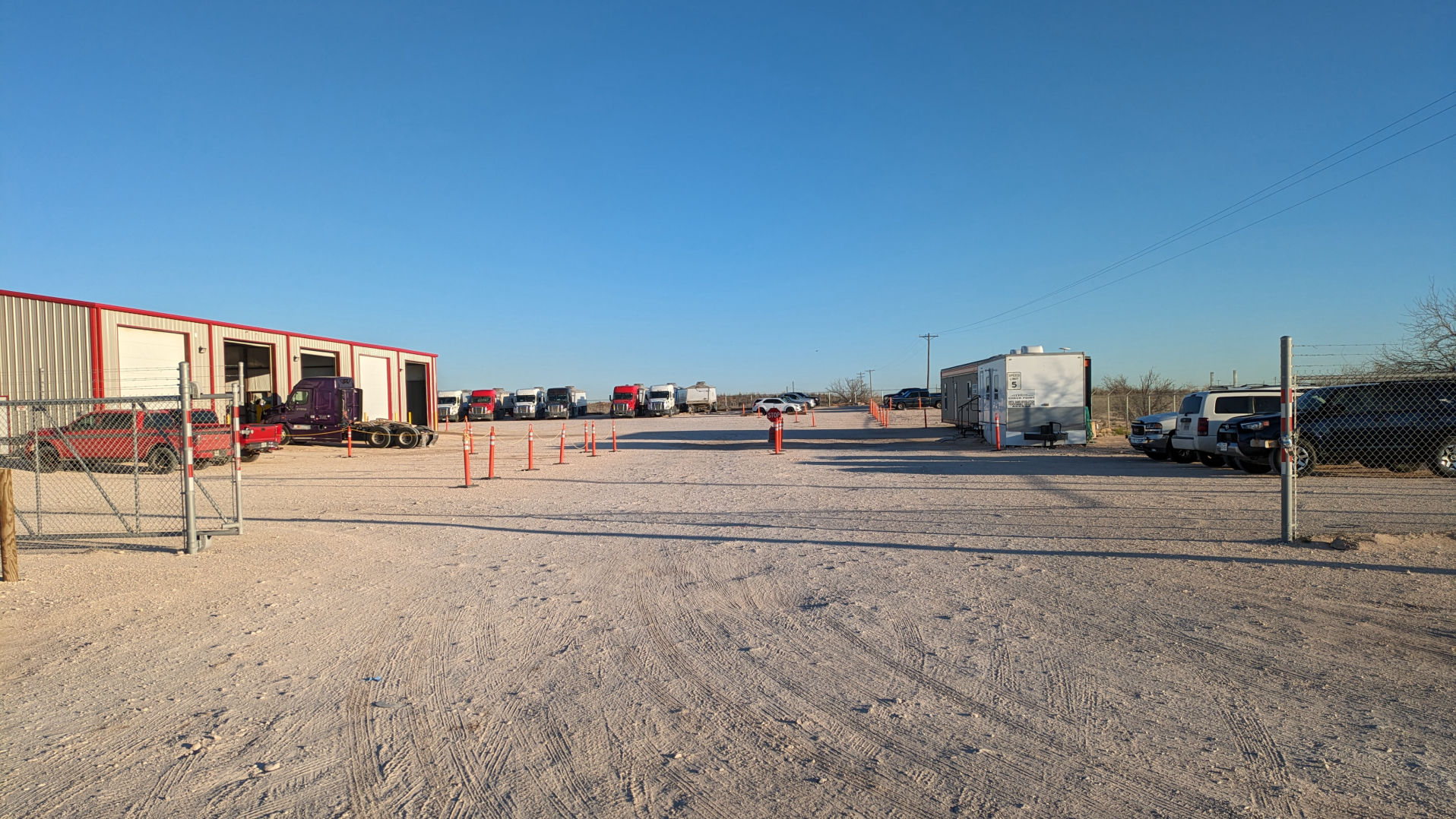
Solving the Rural 24/7 Staffing Problem
Challenge
A manufacturing site in a remote area struggled to hire and retain staff for round-the-clock gate coverage—especially overnight. Coverage gaps created operational risk, inconsistent access decisions, and security friction.
Deployment snapshot
• remote rural facility
• hard-to-staff overnight / weekend shifts
• night shifts
• unattended rule-based access
• photo-verified audit trail (searchable events)
What we deployed
GateGuardX automated LPR access connected to the existing gate controller. Vehicles are verified against rule-based authorization, and every crossing is logged with timestamp + photo proof, making the full access history searchable and reviewable.
Outcome
24/7 operation without local staffing
Consistent access decisions, no shift variance
Full audit trail for every entry/exit
Fewer night and weekend disruptions
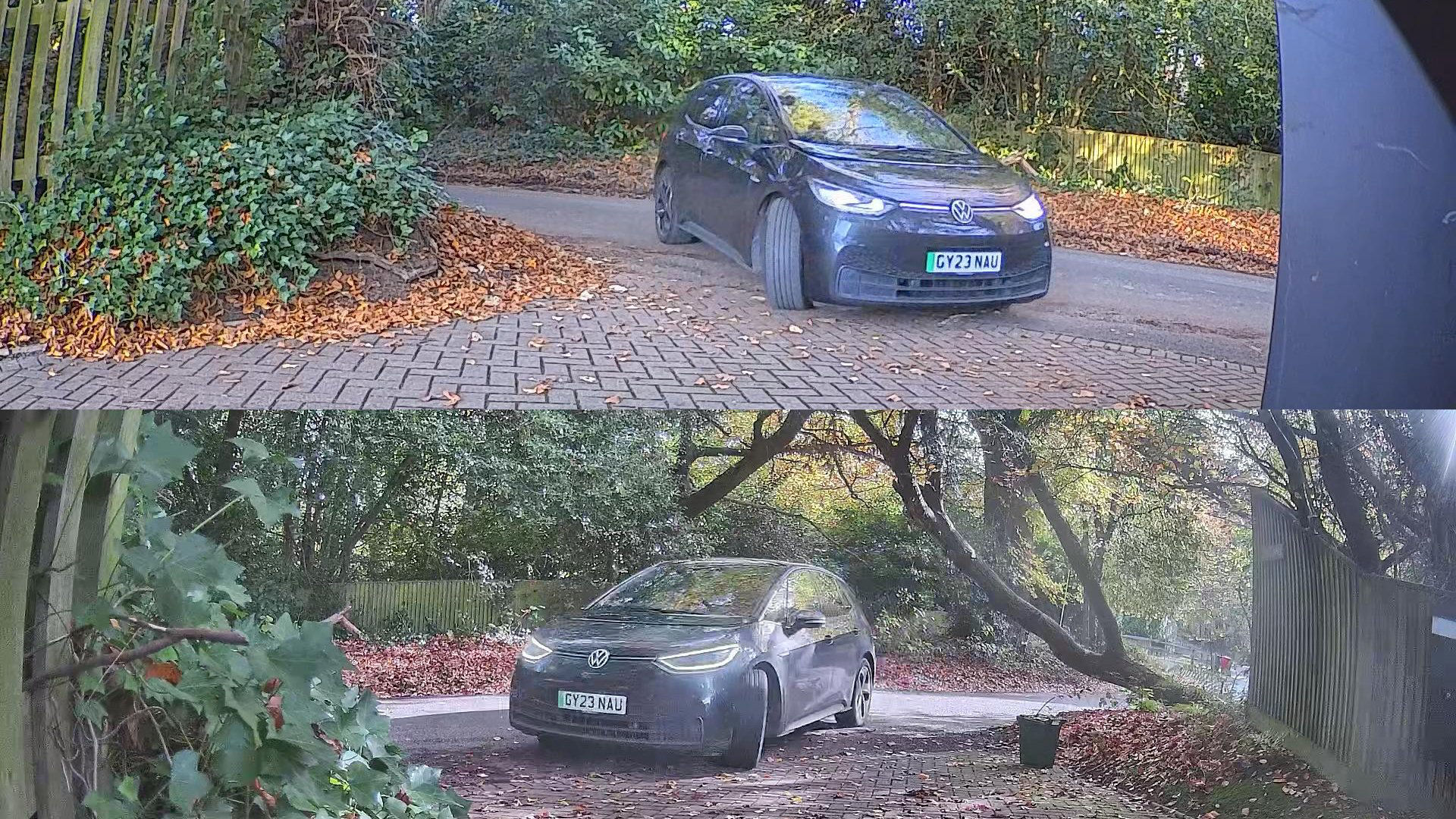
The “Too Close to the Road” Entrance
Challenge
Vehicles approached with minimal distance, so a single camera angle often failed under glare or plate tilt.
Deployment snapshot
• tight approach distance (short capture window)
• problem lighting (glare) + plate tilt
• 2 cameras from opposite angles
• “best-read” selection per vehicle approach
• reduced missed reads + manual overrides
What we deployed
A two-camera setup from opposing angles, so the system could use the best read available per approach.
Outcome
Consistent reads in tight approach zones
Fewer missed opens and manual overrides
Repeatable setup for similar entrances
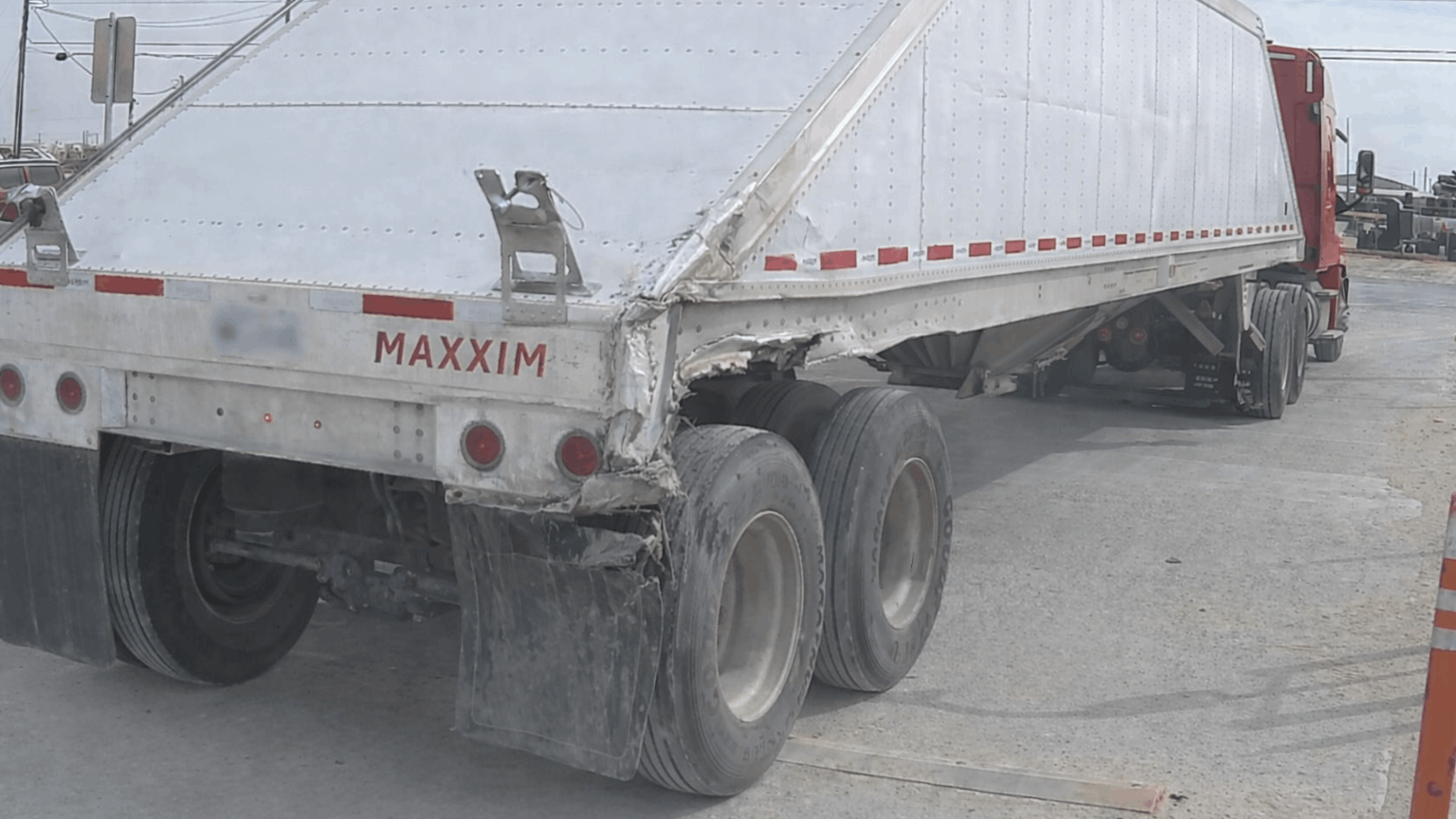
DOT Dispute Resolved in Minutes — With 4K Exit Proof
Challenge
During a DOT-related dispute, the site needed to verify whether a vehicle was already damaged when it exited the facility. The plate photo confirmed which vehicle it was, but it didn’t reliably show the vehicle’s condition (body panels, trailer, load, and other visible details). Reconstructing the moment from scattered camera feeds and manual notes was slow and still left room for argument.
Deployment snapshot
• compliance / dispute scenario (vehicle condition at exit)
• plate proof + full-vehicle evidence needed
• context camera added (high-end 4K, detail-focused angle)
• linked evidence per event (plate + wide view)
• fast investigation workflow (minutes, not hours)
What we deployed
Alongside the plate capture, we added a strategically placed context camera—typically a high-end 4K camera—aimed specifically to capture vehicle condition and identifying details at the time of exit. Each event now includes both plate proof and a wider, detail-oriented view.
Outcome
DOT dispute resolved with clear exit evidence
Investigations reduced to minutes
Full vehicle + scene proof, not just plate
Stronger accountability and deterrence
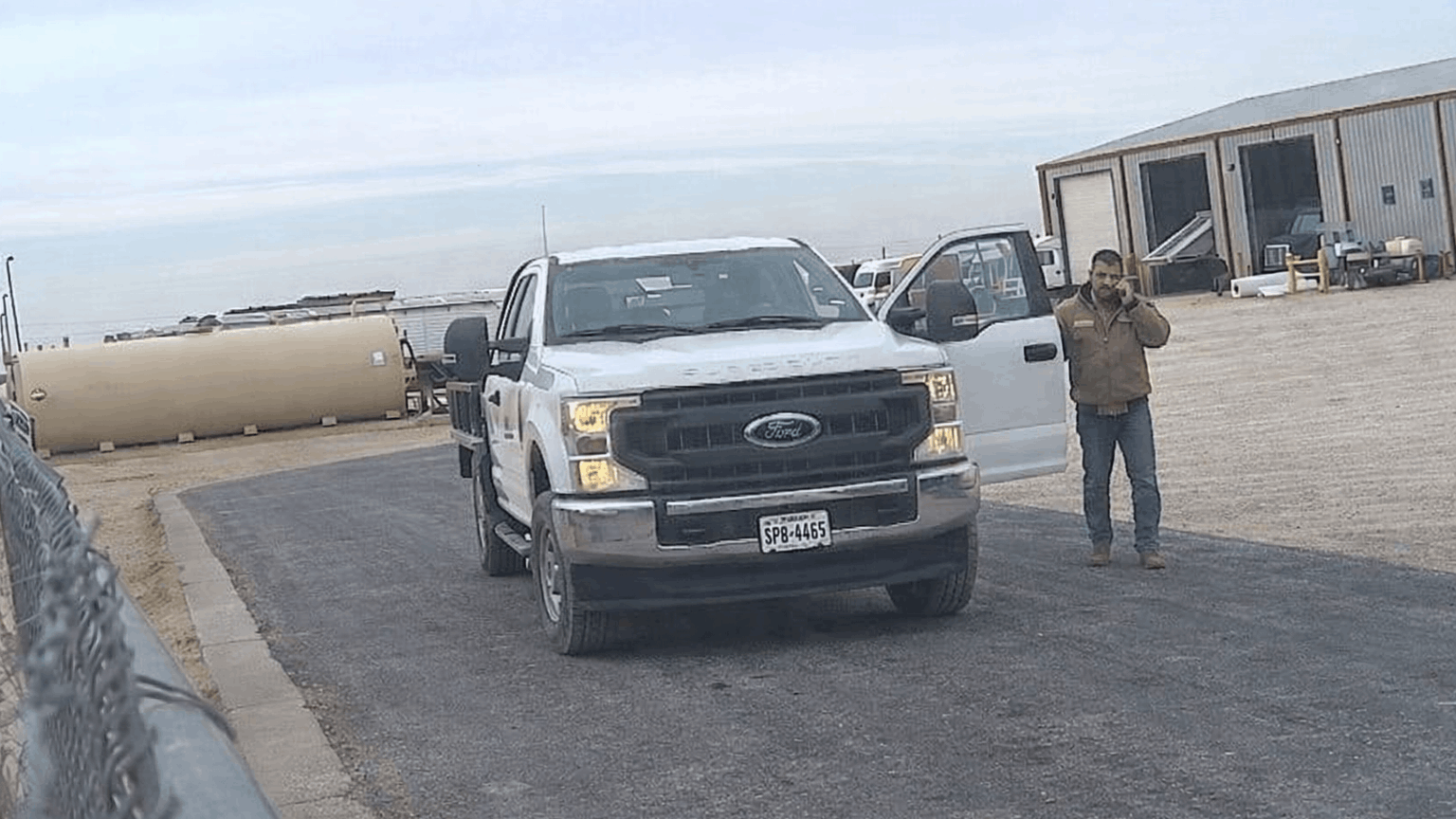
Induction Loop Failed for Light Vehicles — Camera-Based Exit Detection (No Digging)
Challenge
The site relied on an induction loop to open the gate from inside the yard. But lighter vehicles often didn’t trigger the loop reliably, causing stop-and-wait situations, driver frustration, and frequent manual intervention.
Deployment snapshot
• exit lane from inside the yard
• existing induction loop (inconsistent for light vehicles)
• camera-based exit trigger (“open on any plate” rule)
• early open trigger (smooth exit flow)
• no digging / no downtime / no loop replacement
What we deployed
We configured GateGuardX to open the exit gate when it detects any vehicle with a readable license plate approaching from the inside (rule-based exit workflow). The camera-based trigger activates before the vehicle reaches the loop, so vehicles don’t have to stop or “hunt” for the sensor.
Outcome
Reliable exits for light vehicles
No digging or loop replacement
Faster flow with earlier gate opens
Fewer support calls and overrides
Time-stamped photo records preserved
Pick your goal — see the impact
Reduce gate queues (seconds add up)
See what 5–60 seconds delay per crossing really costs
Remove attendants (biggest savings)
See how one site eliminated $18,000+/month by removing attendants.
Get Started
Product
Solutions
Company
Product Innovation
About
Security & Compliance
Future of Gate Access
Privacy Policy
Terms of Use
Metered LLC
Washington, DC 20016
info@gateguardx.com
Built, not bundled. One team builds it. One team supports it.
GateGuardX is a full-stack hardware + software system — designed, engineered, and supported by the same team. When you call, you reach the people who built it.
© 2026 GateGuardX. All Rights Reserved